
At a Glance
You are ready to start your kitchen remodel, but every cabinet door you touch feels different. Some feel heavy and substantial, while others feel like hollow plastic or thin laminate. It is easy to feel overwhelmed by the jargon and price tags that come with custom cabinetry when you just want a space that looks good and stays together.
Choosing the wrong materials leads to sagging shelves, peeling finishes, and loose hinges in just a few short years. Getting this decision right determines how long your kitchen remains functional and how much value it adds to your home. At Johns Appliance, we help you navigate the best wood kitchen cabinets so you get the most out of your budget and avoid costly mistakes.
This guide clears up the confusion surrounding solid wood kitchen cabinets so you can shop with confidence. We look at construction methods, moisture resistance, and the specific ways high-quality wood impacts your daily life. You will find out exactly where to spend your money and where you can save without sacrificing the long-term health of your home kitchen design.
Design Your Perfect Kitchen
Discover premium cabinetry and high-performance appliances at Johns Appliance.
Explore CabnitryUnderstanding Real Wood Cabinet Construction and Terminology
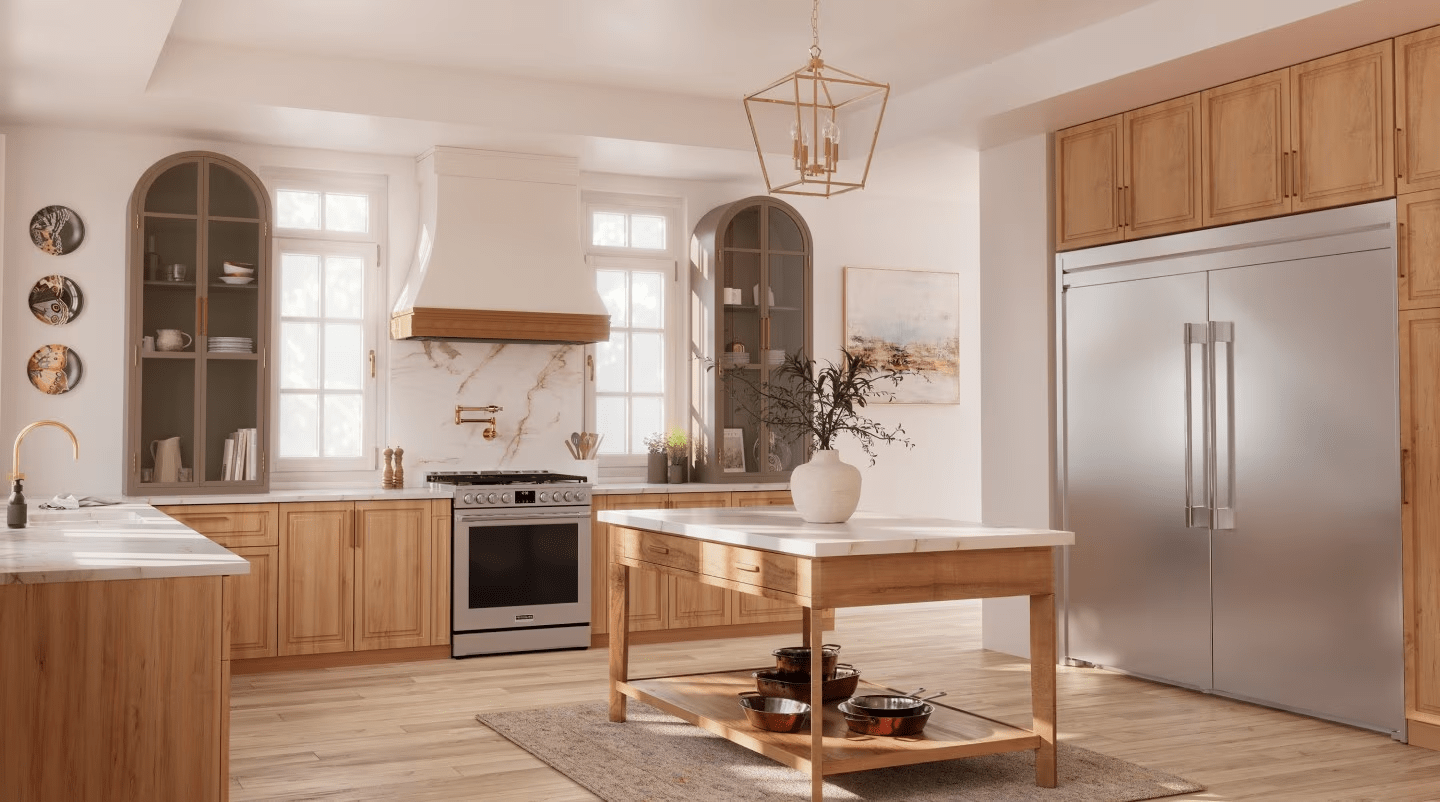
Most people walk into a showroom and ask for solid wood kitchen cabinets, but that term is often used loosely in the industry. In a typical high-end cabinet, solid wood usually refers to the face frames and the door frames. It is very rare to find a cabinet box made of a single slab of wood because it would be incredibly heavy and prone to splitting.
High-end cabinetry relies on a mix of hardwood and softwood species. Hardwoods like maple, cherry, and oak are the standard for doors and frames because they resist dents and scratches from daily use. Softwoods are rarely used for visible surfaces because they are too easy to damage with a stray pot or a fingernail. When we talk about quality, we look for furniture-grade materials that have been dried and processed to limit movement.
There is a big difference between solid wood and all-wood construction. All-wood construction means every part of the cabinet is made from some form of wood product, including the plywood used for the box. This is different from cabinets that use particle board or fiberboard for the interior structure. Knowing these terms helps you understand why one cabinet costs twice as much as another even if they look similar on the outside.
A few key terms to remember include:
- Face Frame: The wooden rack attached to the front of the cabinet box that provides a mounting point for hinges.
- Stiles and Rails: The vertical and horizontal wood pieces that make up the frame of a cabinet door.
- Center Panel: The middle section of the door which can be solid wood or a wood-veneered material.
- Furniture-Grade Plywood: A high-quality plywood used for boxes that offers better screw-holding power than cheaper alternatives.
Why High-Quality Wood Cabinets Are a Smart Home Investment
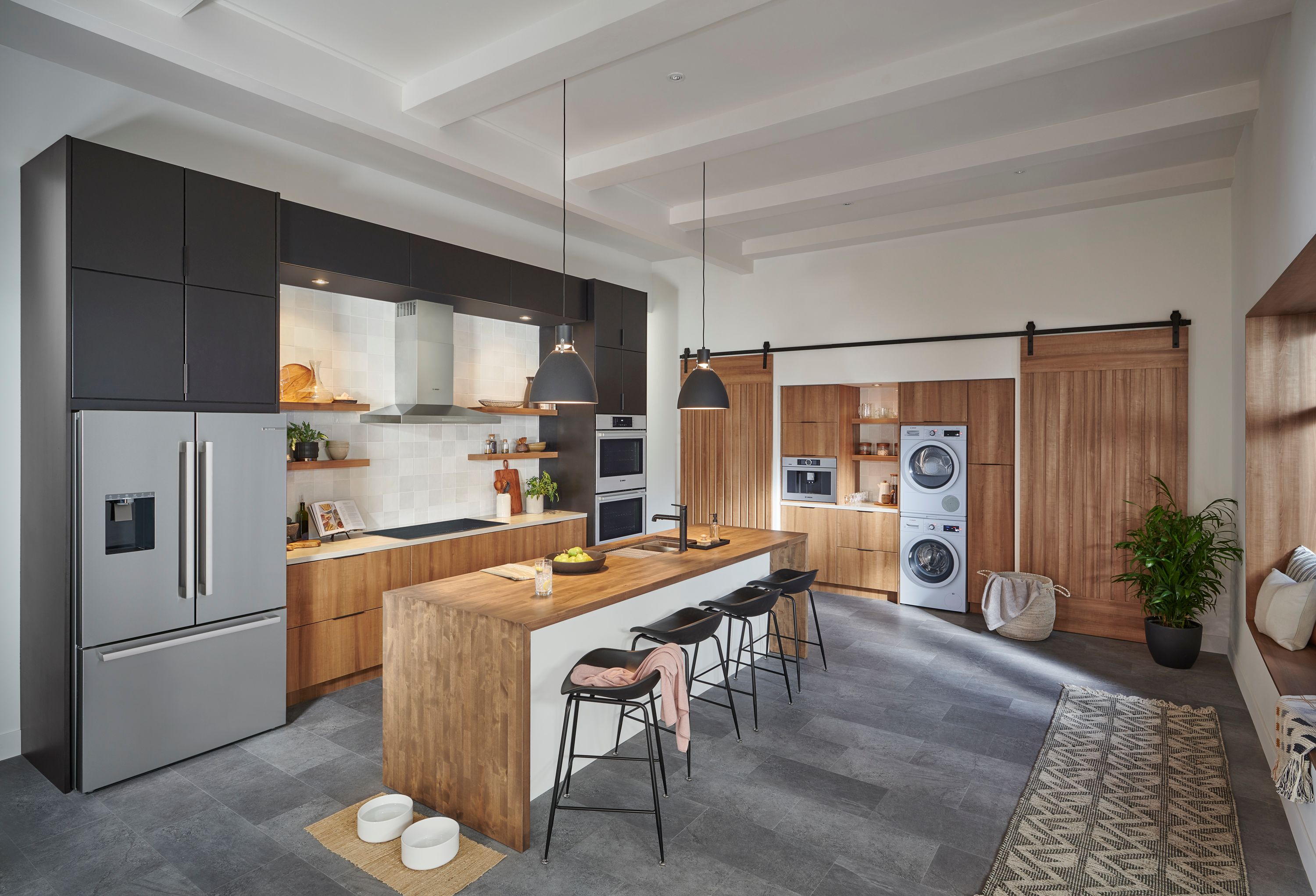
Investing in hardwood kitchen cabinets is one of the most reliable ways to boost your home value. Unlike cheaper alternatives that use thin vinyl wraps, real wood has a level of longevity that lasts for decades. If a particle board cabinet gets wet, it swells up like a sponge and usually has to be thrown away. Real wood can handle the occasional spill or steam from a dishwasher without falling apart.
Long-Term Savings and Durability
The durability of your storage reflects the overall quality of your home. Durable kitchen cabinets made from maple or oak can take a beating from kids and pets without showing significant wear. If you do manage to scratch the surface, you can easily repair it with a touch-up pen or a light sanding. This repairability is why wood stays in homes for thirty years while cheaper cabinets end up in a landfill after ten.
High Resale Value
When it comes to a kitchen remodel ROI, buyers look for natural materials. People recognize the weight and feel of solid maple cabinets immediately. It gives them confidence that the rest of the house was built with the same level of care. You are not just buying storage; you are buying a selling point for the future. We often see that homes with real wood cabinetry sell faster because the kitchen feels permanent and high-end.
Cabinet Refinishing Potential
One of the best reasons to choose wood is the cabinet refinishing potential it offers. Styles change every decade. If you buy wood now, you can sand it down and change the stain color or paint it fifteen years from now. You cannot do that with thermofoil or laminate cabinets. This flexibility means you only have to buy the cabinet boxes once, and you can update the look of the room as often as you want without a full demolition.
| Feature | Solid Wood | Furniture-Grade Plywood | High-Density Fiberboard (MDF) |
|---|---|---|---|
| Moisture Resistance | Moderate | High | Low |
| Surface Smoothness | Natural Grain | Smooth | Extremely Smooth |
| Weight Capacity | High | High | Moderate |
| Price Point | Premium | Moderate to High | Budget-Friendly |
| Resistance to Warping | Lower | Very High | High |
How to Prevent Warping and Movement in Your Kitchen Cabinetry
Wood is a natural material that never truly stops breathing. This concept is known as hygroscopy. When the humidity in your house goes up during a humid summer, the wood absorbs moisture and expands. When the heater kicks on in the winter and dries out the air, the wood releases that moisture and shrinks. This cabinet expansion and contraction is completely normal, but you have to manage it to keep your kitchen looking sharp.
Maintaining a stable environment is the best way to protect your solid wood kitchen cabinets. We recommend keeping your home between 35% and 55% humidity year-round. If the air gets too dry, you might see small gaps appear at the joints of your doors. If it gets too humid, your doors might start to rub against each other. Using a humidifier in the winter and air conditioning in the summer keeps the wood stable and prevents permanent warping.
Manufacturers have developed clever ways to handle this movement. Most shaker style wood cabinets use what is called a floating panel design. The center panel of the door is not glued or nailed into the frame. Instead, it sits in a groove. This allows the panel to grow and shrink without cracking the frame or pushing the door out of alignment. If you look closely at the edges of your panels during a dry winter, you might see a thin line of unfinished wood; this is a sign that your cabinets are working exactly as they should.
Solid Wood Kitchen Cabinets Pros and Cons for Your Remodel
Choosing the right materials involves balancing beauty with the practical realities of owning a natural product. While wood is often the gold standard, it comes with specific maintenance needs that every homeowner should understand before they buy.
Pros
Provides a high-end look that never goes out of style
Offers excellent repairability if the surface gets scratched or dented
Increases the overall resale value and appeal of your home
Allows for future color changes through sanding and refinishing
Creates a sturdy base for heavy quartz or granite countertops
Cons
Requires consistent humidity control to prevent warping or cracking
Costs significantly more upfront than particle board or MDF options
Shows natural imperfections and grain variations that some people dislike
Can develop hairline fractures in the paint at the joints over time
Selecting the Best Finish for Your Solid Wood Cabinet Doors
Many homeowners want the look of solid wood but also want a crisp, white painted kitchen. This is where people often fall into the fracture trap. Because wood moves, the paint that covers the joints between the stiles and rails will eventually crack. This does not mean the cabinet is broken, but it does mean you will see tiny lines at every corner. This can be a major disappointment if you were expecting a perfectly smooth surface forever.
If you are set on a painted look, we often suggest using high-density fiberboard (MDF) for the center panels or even the entire door. MDF does not expand and contract like real wood, so the paint stays smooth and unbroken for years. This is a case where the "cheaper" material actually provides better painted kitchen cabinet durability. It is a smart way to get the look you want without the maintenance headaches of natural wood.
For those who love the look of real wood, stained finishes are usually the best choice. Stains soak into the grain and move with the wood. They hide the small gaps that occur during seasonal changes and highlight the natural beauty of the material. A stained finish on the best wood for cabinets, like cherry or walnut, creates a warmth that paint simply cannot match. It feels more authentic and handles the wear and tear of a busy kitchen much better than a surface-level paint job.
Quality Construction Beyond the Material: Joints and Hardware
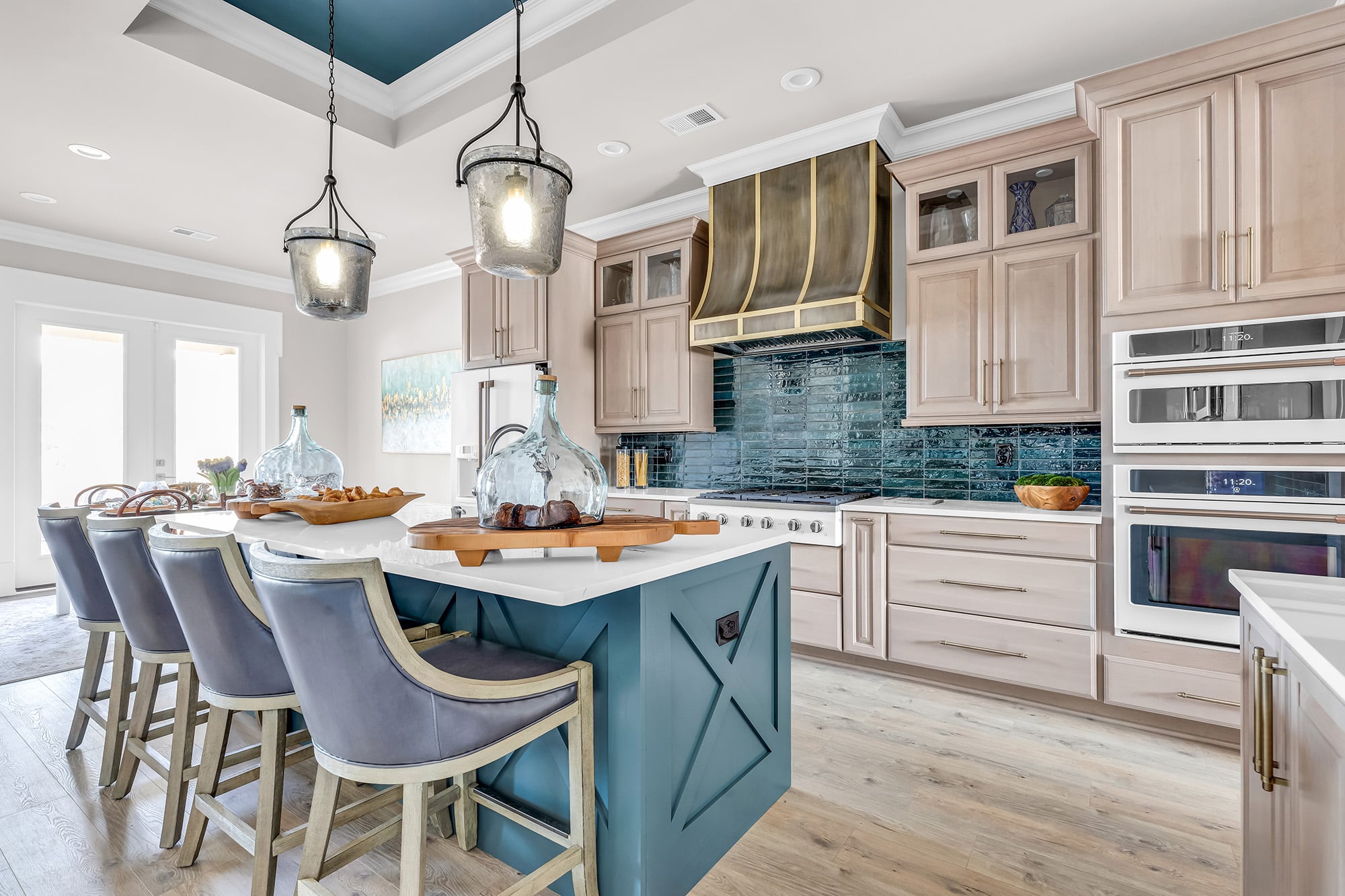
The material on the door is only half the story. A solid wood door attached to a weak, stapled box is a recipe for failure. If you want a kitchen that lasts, you have to look at the mechanics of the cabinet. This is where custom wood cabinetry separates itself from the cheap stuff you find at big-box stores. You want a box that is stiff enough to stay square even when your house settles.
One of the most important details to look for is dovetail drawer joints. These are interlocking "teeth" that lock the front, back, and sides of a drawer together. Because the pieces are physically locked into each other, the drawer cannot pull apart even if the glue fails. Cheap drawers are often just butt-jointed and stapled together, which is why they eventually fall apart after a few years of holding heavy silverware and cast-iron pans.
You also need premium cabinet hardware to handle the weight of solid wood components. Solid wood is heavy. If you use cheap, thin hinges, the doors will eventually sag and stop closing properly. At the showroom, we always recommend heavy-duty, soft-close glides and hinges. These prevent the wood from slamming, which protects the finish and the joints from unnecessary stress. When you combine high-quality wood with professional appliance installation and robust hardware, you get a kitchen that performs perfectly for a lifetime.
Ready to Build Your Dream Kitchen with Solid Wood Kitchen Cabinets?
Choosing the right cabinetry is about finding the balance between natural beauty and long-term stability. While solid wood kitchen cabinets offer unmatched ROI and repairability, they require a commitment to quality construction and environmental control. Making sure you have the right mix of materials and hardware will keep your kitchen looking brand new for decades.
If you are ready to see the difference in person, visit the Johns Appliance today. Our team provides expert design consultations to help you pick the right wood species and finishes for your specific lifestyle. We offer a level of personalized service and professional installation that national chains cannot match. Let us help you build a kitchen that is as durable as it is beautiful.
Frequently Asked Questions about Solid Wood Kitchen Cabinets
Plywood is actually the preferred material for cabinet boxes because its layered construction makes it much more stable and resistant to moisture than solid wood. We recommend using solid wood for the face frames and doors while sticking to high-quality plywood for the structural box.
Wood can warp if it is exposed to extreme humidity or if the home environment is not properly regulated. Keeping your home at a consistent temperature and humidity level prevents the wood from moving enough to cause permanent damage.
Hardwoods like maple, hickory, and oak are the most durable choices because they have a high density that resists impacts. Maple is especially popular because it has a smooth grain that looks great with both stains and paints.
MDF is generally the better choice for painted finishes because it does not expand and contract, which prevents the paint from cracking at the joints. Many high-end manufacturers use a mix of solid wood frames and MDF center panels to get the best of both worlds.
High-quality wood cabinetry can significantly increase your home value by making the kitchen a centerpiece of the property. Buyers are often willing to pay a premium for a home that has durable, real-wood storage already installed.
Yes, one of the biggest advantages of solid wood is that it can be sanded down and refinished multiple times. This allows you to update your kitchen style as trends change without having to pay for a full cabinet replacement.
Why Trust John’s Appliance & Bedding?
Our family-owned and operated store started with a pick-up truck and a dream. When John Hinton Jr. first opened his storefront in 1972, he never envisioned that over the next 50 years, he would outgrow his flagship location and need to open several other locations. However, that’s just what he did.
Thanks to John and his team, John’s Appliance & Bedding has been able to provide our customers with the best appliances, mattresses, and cabinet solutions in South Florida. We view our customers as an extension of our family and seek to provide the best service and expertise that we always have.
Shop Wood Kitchen Cabinets at John’s Appliance & Bedding
At John’s Appliance & Bedding, we provide high-quality, name-brand products at the best possible price. Shop mattresses online or visit one of our four South Florida showrooms and experience world-class customer service. Our friendly product experts are always happy to help you find the best wood kitchen cabinets for your home—whether you call us, use our online chat feature, or visit us in person.