
When a kitchen requires an upgrade, limited fuel options constrain you, electrical panel constraints frustrate you, and unpredictable monthly utility bills confuse you. A gas vs electric stove comparison might highlight performance, explain power, and outline baking. But you may still need to verify your panel, run a line, and balance the price against operating costs.
This comprehensive guide compares gas ranges against standard electric cooking models to help you decide between them. You might learn whether a gas flame provides better stovetop control, how induction elements boil water quickly, and what oven bakes your food much more evenly.
A Complete Guide to Gas and Electric Stoves
Learn the key differences in operating costs, heat transfer, and baking environments.
Key Takeaways
- Utility Costs: The annual utility cost difference between running a gas and electric range is usually tens of dollars a year rather than hundreds.
- Electric Efficiency: Electric radiant cooktops transfer about 70 to 75 percent of their energy directly into the pan.
- Gas Heat Loss: Gas ranges typically lose roughly 55 to 60 percent of their heat to the surrounding air.
Gas vs. Electric Range: Which Has Lower Monthly Operating Costs?
The utility meter outside your house tracks the energy your appliances pull during daily cooking routines. Differences total tens of dollars annually. A standard electric radiant element draws significant wattage while a gas burner consumes measured natural gas. Comparing these distinct usage rates reveals a relatively minor financial gap over time.
Gas Range Utility Costs
Natural gas prices fluctuate based on your local municipality and current market supply conditions. Operating a gas vs electric stove requires a continuous flow of combustible fuel to maintain the cooking flame. This creates a consistent bill. You pay for the measured volume of fuel consumed while preparing daily meals on the cooktop.
Gas ranges use standard outlets. An electronic ignition system sparks the flame while the internal fans draw minimal electricity during use. Digital displays require standard voltage to keep the clock and settings visible. The combined energy usage remains exceptionally low compared to the sheer heat the burner actually produces.
Electric Range Power Draw
A heavy copper wire delivers high voltage power directly to the heating elements beneath the glass. Electricity costs slightly more overall. The heating elements must overcome initial resistance to generate the high temperatures required for boiling water. Your monthly statement reflects the kilowatt hours consumed during heavy daily baking sessions.
An electric appliance converts electrical current into pure heat without requiring combustible natural gas. Efficient energy transfer helps offset the higher base rate charged by your local electrical utility provider. Daily meals demand reliable power. You avoid the added expense of a secondary utility account tied solely to your kitchen appliances.
Installation Constraints When Switching Fuels
Two distinct power connection methods dictate how you set up a replacement cooking appliance at home. Existing connections dictate your path. A home lacking the correct utility hookup forces you to hire specialized contractors before cooking begins. Switching fuels introduces unexpected renovation bills during a standard appliance replacement project.
A gas appliance requires an active natural gas or propane line directly behind it. Running an additional pipe through your walls typically costs hundreds of dollars depending on the layout. Many municipalities restrict fresh gas. However, existing lines and direct range replacements remain largely unaffected across most regions right now.
- Voltage Upgrades: Electric ranges require a dedicated 220-volt or 240-volt circuit to function properly.
- Rewiring Costs: Installing a high-voltage outlet costs several hundred dollars if you only have standard 110-volt wiring.
- Plumbing Additions: Extending a gas pipe requires permits and a licensed plumber to maintain absolute safety.
Changing lines demands careful planning. You must coordinate multiple tradespeople to complete the utility upgrades before the delivery truck ever arrives. A simple swap becomes a minor remodel when the necessary infrastructure is missing. Homeowners often abandon their fuel swap plans once they calculate the total required installation labor fees.
At a Glance: Gas vs. Electric Features
Review the primary differences between cooking formats before altering your kitchen setup.
| Factor | Gas Ranges | Electric Ranges |
|---|---|---|
| Heat Transfer to Pan | Loses roughly 55 to 60 percent | Transfers roughly 70 to 75 percent |
| Residual Surface Heat | Cast iron grate stays hot | Stays dangerously hot for minutes |
| Power Requirement | Existing line and 110-volt outlet | Dedicated 220-volt or 240-volt circuit |
| Oven Cooking Environment | Introduces moisture into the cavity | Drier consistent ambient heat |
| Who it suits | fans of visual adjustments | buyers wanting baking consistency |
Which Type of Range Boils Water Faster in Everyday Use?
Turning a control knob initiates the heat transfer process across three fundamentally different cooking surface designs. Induction elements boil water fastest. They transfer roughly 85 to 90 percent of their magnetic energy directly into the cast iron. This extreme efficiency leaves traditional radiant and open flame methods far behind.
Gas ranges typically lose roughly 55 to 60 percent of their heat to the surrounding air. The flames lick the sides of the pot and vent warm air into the room. Electric surfaces waste less energy. Electric radiant cooktops transfer about 70 to 75 percent of their energy directly into the pan.
| Range Style | Heating Mechanism | Heat Behavior |
|---|---|---|
| GE Profile Induction | Magnetic field | Transfers 85 to 90 percent |
| GE 400 Series Radiant | Ceramic glass element | Transfers 70 to 75 percent |
| GE 600 Series Gas | Open flame burner | Loses 55 to 60 percent |
The GE Profile proves this. A pan presence sensor activates the magnetic field only when compatible cookware touches the glass. A standard radiant glass top relies on glowing hot coils to radiate warmth outward. The open flame on a gas vs electric stove forces you to wait longer for boiling water.
Does a Gas or Electric Oven Bake Food More Evenly?
The cavity inside an oven holds the ambient heat necessary for turning liquid batter into cake. Electric elements bake food evenly. They provide a drier, more consistent ambient heat that is ideal for baking, browning, and proofing. A natural gas flame inherently introduces moisture into the enclosed baking environment instead.
Adding convection fans circulates the hot air to eliminate any hidden cold spots. The Frigidaire gas range uses a Total Convection System to overcome the natural moisture issues. True convection fixes bad baking. The Samsung freestanding electric range features Automatic Convection Conversion to adjust your recipe temperatures for you.
Baking a Cake on a Sunday
Electric models handle delicate pastries. You slide a pan onto the middle rack and trust the glowing coils to maintain temperatures. The dry interior helps the cake rise perfectly without acquiring a soggy texture. Consistent heat distribution across the oven racks yields golden brown edges on every single baked good.
Compare the benefits and drawbacks of each fuel type before finalizing your kitchen renovation plans.
Pros
Visual Heat Control
The flame stops the moment a gas burner is switched off.
Standard Outlets
Gas ranges use a standard 110-volt outlet to power their electronic components.
Replacement Ease
Existing gas lines and range replacements are largely unaffected across most regions.
Direct Energy Transfer
Electric radiant cooktops transfer about 70 to 75 percent of their energy directly into the pan.
Consistent Baking
Electric heating elements provide a drier ambient heat that is ideal for baking and proofing.
High Efficiency
Induction options transfer roughly 85 to 90 percent of their energy into the cookware.
Cons
Wasted Energy
Gas ranges typically lose roughly 55 to 60 percent of their heat to the surrounding air.
Hot Grates
The cast iron grate above the burner stays hot for several minutes after cooking.
Installation Costs
Running an additional line typically costs hundreds of dollars depending on the home layout.
Dangerous Surface Heat
Electric cooktops stay dangerously hot for several minutes after being turned off.
Extended Cooling
The glass surface often takes 15 to 20 minutes to completely cool down.
Wiring Upgrades
The kitchen requires a dedicated 220-volt or 240-volt circuit that costs several hundred dollars to install.
Featured Ranges for Your Kitchen
Browse the options available for your home. John's Appliance stocks the models listed below.
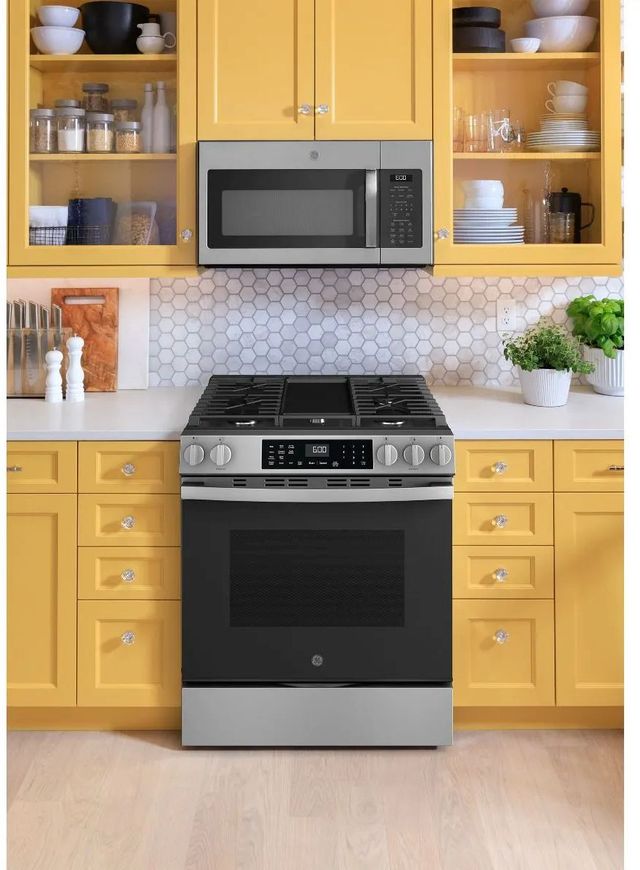
GE 600 Series 30" Fingerprint Resistant Stainless Steel Slide In Gas Range with No Preheat Air Fry and EasyWash Oven Tray
Best for: roasting large family dinners quickly.
You slide this fingerprint resistant stainless steel unit right into a 30-inch opening to upgrade your daily cooking routine. The single oven provides 5.3 cubic feet of capacity and holds six different rack positions for maximum versatility. Four burners sit beneath heavy cast iron grates that you can easily drop into the dishwasher for cleaning. The storage drawer below gives you extra room for heavy pans. You operate the appliance via built-in WiFi, letting you monitor the oven temperature remotely while preparing meals for your guests. A glass door lets you watch the baking process.
Top Features
- 18,000 BTU Power Boil Burner: An element delivers high heat to boil water faster than ever.
- No Preheat Air Fry: You cook crispier versions of your favorite foods without waiting for the oven.
- EasyWash Oven Tray: A tray catches drips so you can wash it.
- SmartHQ: You use the app to turn off your oven and change temperatures.
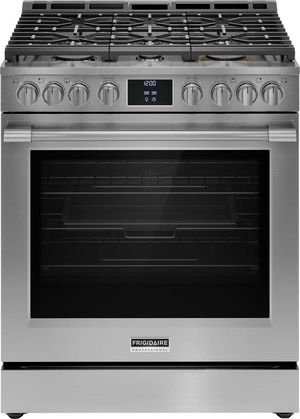
Frigidaire Professional 30" Smudge-Proof Stainless Steel Slide-In Gas Range
Shop Frigidaire Professional Gas Ranges
Best for: feeding five on one weekly shop.
This appliance features a smudge-proof stainless steel finish that resists daily wear. The slide-in format fits neatly into a standard 30-inch opening while offering a massive 6 cubic feet of total capacity inside the single oven. Six sealed burners rest beneath continuous cast iron grates, giving you a flexible cooking surface for multiple pans. A digital display lets you program the self cleaning cycle and engage the control lockout for safety. The oven incorporates a temperature probe to monitor your roasts accurately. You pull the gliding rack out to check on heavy dishes, while the glass door lets you visually inspect the food without releasing heat.
Top Features
- Total Convection System: You power cooking modes like convection bake and steam roast for maximum versatility.
- 18,000 BTU EvenTemp: A powerful burner ensures your skillets get hot enough to sear meat.
- Slow Cook: Your food cooks slowly at lower temperatures to lock in moisture.
Samsung 30" Fingerprint Resistant Stainless Steel Freestanding Gas Range
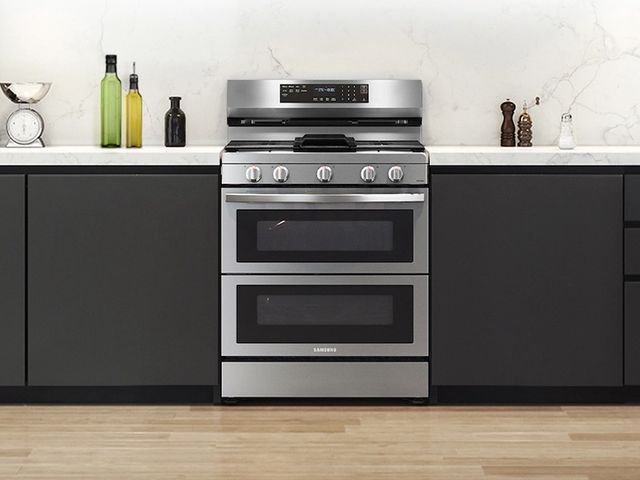
Best for: baking two distinct dishes simultaneously.
A freestanding design lets you position this appliance anywhere your kitchen layout allows. The double oven configuration delivers 5.9 cubic feet of total capacity, split between a 3.4 cubic foot upper cavity and a 2.5 cubic foot lower section. Five sealed burners operate below porcelain-enameled cast iron grates. The appliance includes a dehydrator and a hidden bake element. You engage the Sabbath mode during holidays, and the glass doors provide clear visibility into both baking zones.
Top Features
- Flex Duo: You split the cavity into two smaller ovens to cook at different temperatures.
- Make Cooking Simple With Smart Technology: You control your oven using voice commands via Amazon Alexa or Bixby.
- Elevated Design: A sleek aesthetic upgrades the visual appeal of your entire kitchen space.
GE 400 Series 30" Stainless Steel Freestanding Electric Range
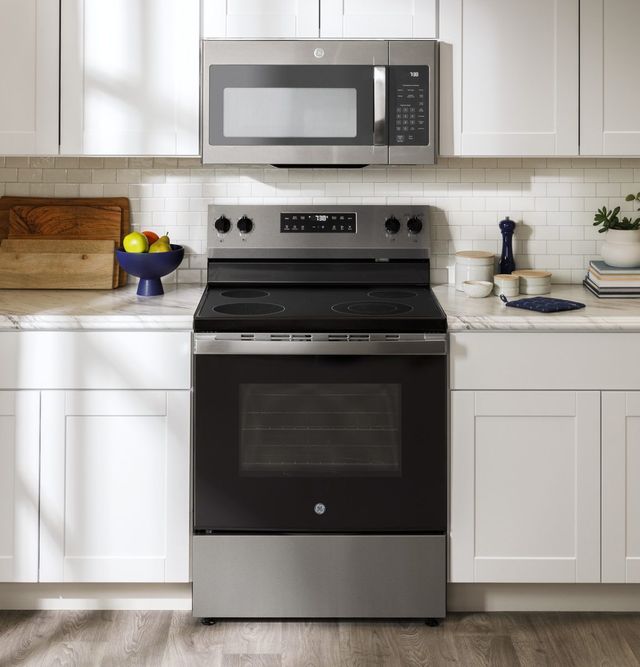
Best for: replacing a basic setup economically.
The freestanding frame features an upswept ceramic glass cooktop that easily wipes clean after dinner. You get 5.3 cubic feet of capacity inside the single oven cavity, supported by six different rack positions. Four radiant burners deliver consistent heat beneath your pots. The stainless steel exterior includes a handy storage drawer at the bottom to hold your baking sheets. A digital display houses the temperature control and the delay bake function. You activate the steam clean feature to loosen baked-on grease, while the oven light helps you monitor the progress through the clear glass door.
Top Features
- 4-Burner Radiant Cooktop: An expansive surface accommodates any pot or pan you need to heat.
- 9"/6" Power Boil burner: A convertible element adjusts to any size pan to boil water faster.
- Oven Storage Drawer: You slide the bottom compartment out to store your heavy metal cookware.
Samsung 30" Fingerprint Resistant Stainless Steel Smart Freestanding Electric Range with No Preheat Air Fry and Convection
Best for: managing meals through a smartphone.
You connect this smart electric appliance to your home network to access voice controlled features. The single oven yields 6.3 cubic feet of capacity and holds four rack positions. Five burners heat the smooth glass top, which includes a dedicated simmer element for delicate sauces. An indicator light warns you when the hot surface poses a risk. The fingerprint resistant stainless steel finish keeps the exterior looking pristine. You engage the proofing mode to raise bread dough perfectly before baking it behind the glass door.
Top Features
- Automatic Convection Conversion: The oven adjusts your standard recipe temperatures automatically for better baking results.
- No Preheat Air Fry: You prepare your favorite fried foods using little to no oil quickly.
- W Rapid Boil: A powerful element forces water to boil without a long wait.
GE Profile 30" Fingerprint Resistant Stainless Steel Smart Slide In Induction Range with No Preheat Air Fry and EasyWash Oven Tray
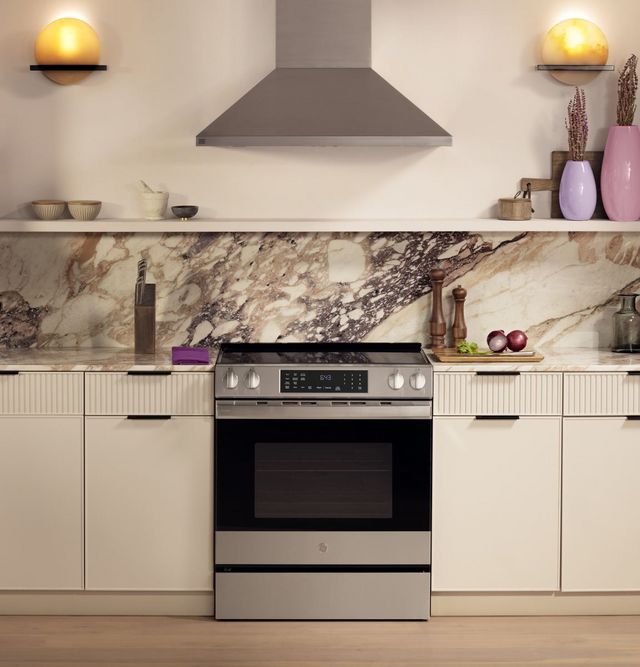
Shop GE Profile Induction Ranges
Best for: maximizing efficiency with magnetic cookware.
This advanced induction model demands 30 inches of width to slide perfectly between your cabinets. The single oven provides 5.3 cubic feet of capacity alongside a convenient storage drawer. Four burners operate on the smooth glass top, featuring a pan presence sensor and an automatic shutoff function for added safety. You select the pizza cooking mode to bake crusts perfectly. An indicator light confirms when the hot element turns on. You monitor the internal temperature via the digital display. The fingerprint resistant stainless steel finish maintains a sharp aesthetic throughout heavy daily cooking sessions.
Top Features
- Powered By SMARTHQ: You connect your smartphone to manage your oven settings from anywhere.
- Griddle Zone: Two burners work together to create a heated space for large cookware.
- POWERBOIL Elements: The magnetic coils transfer intense energy directly into your heavy iron pans.
Choosing the Right Gas vs Electric Stove for Your Home
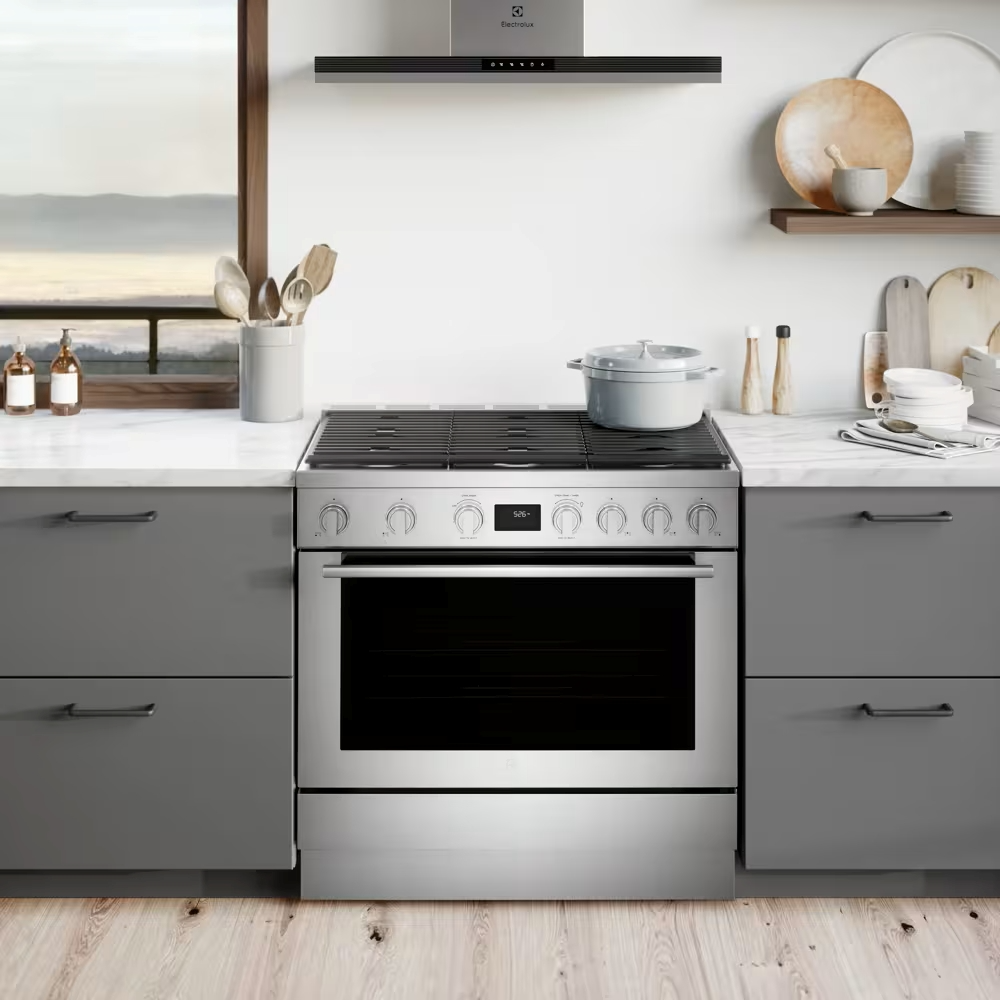
Your kitchen layout largely determines whether you install a gas or electric stove from this lineup. Hookup limits and existing wiring usually force the decision more than the slight utility savings you might see annually. Choose the option that fits your infrastructure to avoid expensive remodeling delays.
Review the specifications carefully to verify your home supports your preferred cooking method. Browse our complete catalog online to find the exact range that matches your daily culinary needs.
➜ Learn More: Why Home Cooks Love the LG Gas Range
Frequently Asked Questions about Gas vs Electric Stoves
Gas ranges face no nationwide bans, as existing gas lines and range replacements are largely unaffected across most regions. Some municipalities restrict fresh gas hookups during initial construction phases.
You can plug a gas stove into a regular standard 110-volt outlet. The appliance uses this basic electrical connection to power the electronic ignitions, internal fans, and digital displays.
Bakers prefer electric ovens because the electric heating elements provide a drier, more consistent ambient heat that is ideal for baking, browning, and proofing. A gas flame inherently releases moisture that can disrupt delicate pastry crusts.
You can use cast iron on ceramic glass cooktops, like the GE standard electric range. You must place the heavy skillets down gently to avoid scratching the delicate surface.
An electric stove requires a vent hood even though it does not produce combustion byproducts. Proper ventilation remains strictly necessary to remove cooking smoke, steam, and airborne grease from the room.
The most energy-efficient option is induction, as seen on the GE Profile range, which uses magnetic energy to heat the cookware directly. These powerful elements transfer roughly 85 to 90 percent of their energy into the pan.
Why Trust John’s Appliance & Bedding?
Our family-owned and operated store started with a pick-up truck and a dream. When John Hinton Jr. first opened his storefront in 1972, he never envisioned that over the next 50 years, he would outgrow his flagship location and need to open several other locations. However, that’s just what he did.
Thanks to John and his team, John’s Appliance & Bedding has been able to provide our customers with the best appliances, mattresses, and cabinet solutions in South Florida. We view our customers as an extension of our family and seek to provide the best service and expertise that we always have.
Shop Electric and Gas Ranges at John’s Appliance & Bedding
At John’s Appliance & Bedding, we provide high-quality, name-brand products at the best possible price. Shop in stock appliances online or visit one of our four South Florida showrooms and experience world-class customer service. Our friendly product experts are always happy to help you find the best electric or gas range for your kitchen—whether you call us, use our online chat feature, or visit us in person.
➜ Learn More: 7 Best Gas Cooktops on the Market Now